
Published: 01/14/2026
By Catherine Wu, Global Health Communications Assistant
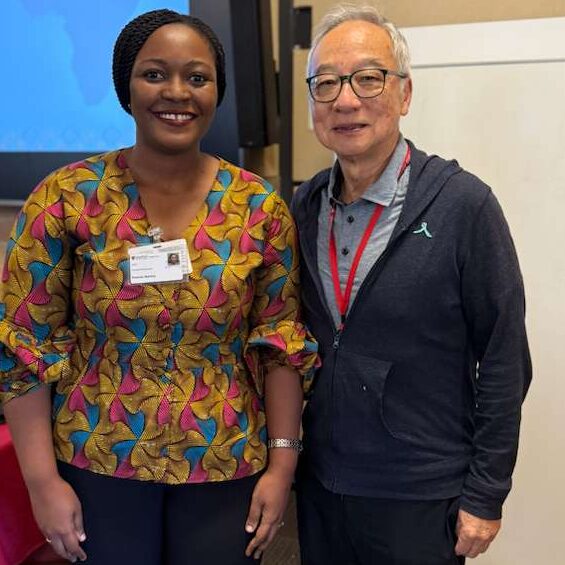
For Drs. Yvonne Nartey in Ghana and Samuel So in the United States and Asia, addressing the burden of hepatitis B has been a lifelong goal. Now, this shared goal has brought the two together across continents to reduce the global prevalence of the virus.
While vaccines and other preventive efforts have greatly reduced the threat of hepatitis B in the US and many other higher income countries, it remains a significant global health crisis, especially in sub-Saharan Africa and Asia. When left untreated, hepatitis B can cause chronic infection, posing a high risk of cirrhosis and liver cancer. In 2022, the WHO estimated 254 million people living with the chronic infection and 1.1 million deaths.
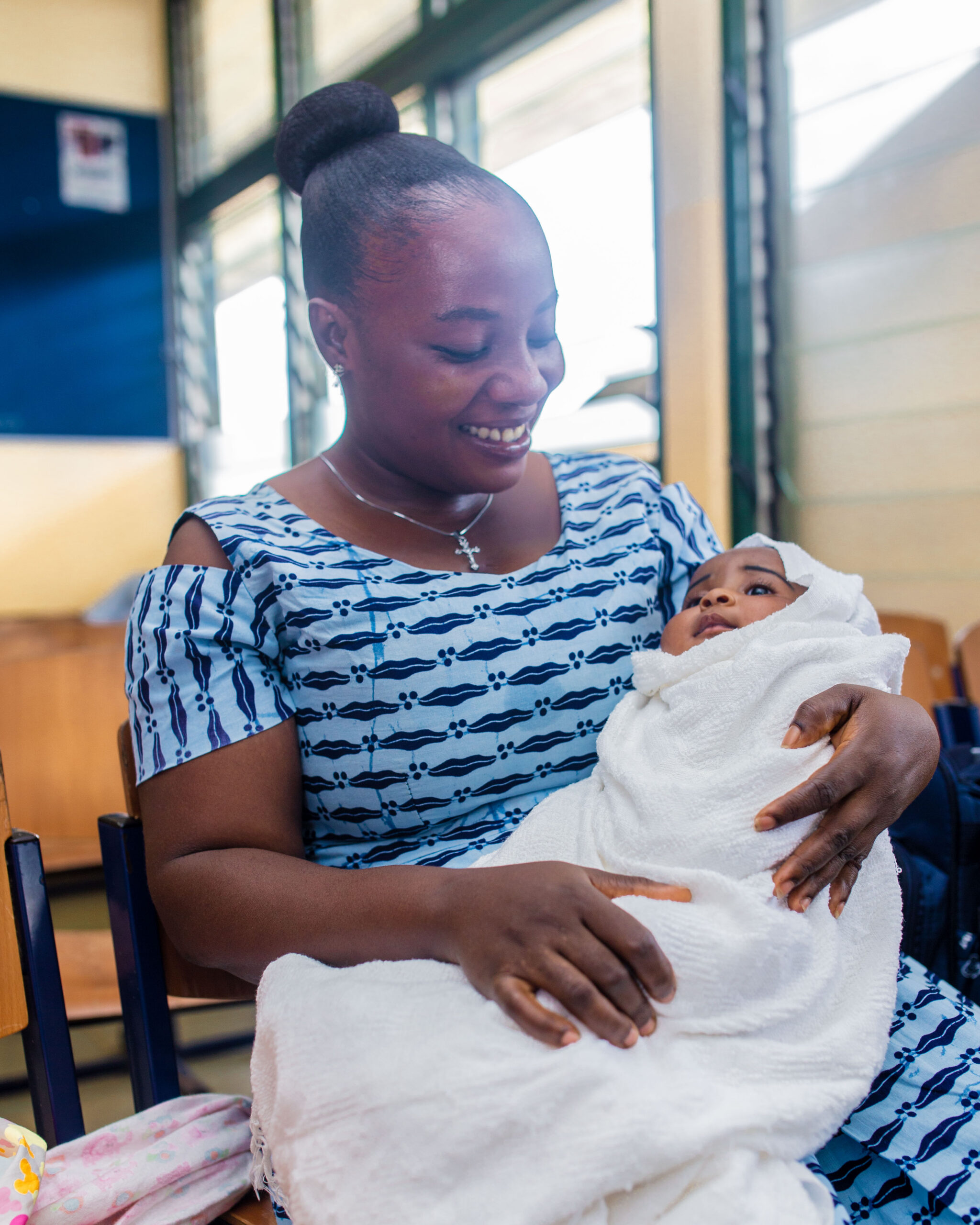
In Ghana, over 10,000 new infections occur annually, leading to over 13,000 deaths every year. To address this crisis, Ghana plans to begin rolling out a birth dose of the hepatitis B vaccine in the near future. Nartey, a physician specialist in internal medicine at the Cape Coast Teaching Hospital in Ghana, is eager to ensure the initiative’s success while also strengthening other preventive and treatment efforts in her hospital.
Nartey met So, professor of surgery and founder of Stanford’s Multidisciplinary Liver Cancer Program and Asian Liver Center, in 2025 through the Stanford African Scholars in Global Health (SASH) program. Hosted by the Stanford Center for Innovation in Global Health, the SASH program connects physician-leaders from Africa with mentors at Stanford to gain skills they’ve identified as a need to improve health outcomes at their home institution. Scholars spend six weeks at Stanford before returning to conduct a year-long quality improvement project in their home country.
Through SASH, Nartey worked closely with Dr. So to learn about Stanford’s viral hepatitis and liver cancer program and the strategies it uses to prevent and screen for hepatitis. She gained approaches to improve hepatitis B screening, treatment, and vaccination for mothers and newborns in Ghana.
Once she returned to Ghana, she assessed her hospital’s capacity in hepatitis B prevention and care for its ability to deliver hepatitis B screening and testing during pregnancy, provide antiviral medication, administer the hepatitis B birth dose to infants, and conduct post-vaccination serologic testing. Nartey will then train healthcare workers across the units involved in these services, namely the antenatal clinic, labor ward, and public health immunization units.
“I hope this model will serve as a template that other hospitals can adapt to enhance their prevention of mother-to-child transmission efforts as we await national implementation of the Hepatitis B birth-dose vaccination program in Ghana,” Nartey said.
“I am confident that this partnership with Dr. So and the Asian Liver Center at Stanford will serve as a springboard for broader implementation of the work we have begun together across Ghana,” she continued. She also noted Dr. So’s experience in collaborating with ministries of health, policymakers, and other stakeholders, which will be invaluable as she navigates similar networks in Ghana.
Nartey added, “Successfully implementing this program in my hospital — and eventually expanding it to other settings — will help reduce the burden of chronic hepatitis B virus infection. This, in turn, will lower the incidence of hepatitis B-associated liver cirrhosis and liver cancer in Ghana, contributing to both local and global elimination efforts.”
Nartey hopes to maintain an active and collaborative relationship with Dr. So, as well as with the interns and students he brought on to support her SASH project. She is excited to continue regular virtual meetings to discuss progress, troubleshoot challenges, and seek guidance, as well as share her experiences in Ghana implementing the project.
“In the long term, I hope we can continue developing joint initiatives that support the scale-up of effective hepatitis B prevention strategies across the country,” Nartey said.

For Dr. So, the partnership is an encouraging sign of global progress against a disease he has dedicated his career to eliminating, despite recent changes to hepatitis B vaccination policy in the US.
“Since 1991, universal newborn hepatitis B vaccination has been the pillar of the national strategy to eliminate hepatitis B in the U.S.,” So said. “Since then, we have virtually eliminated infant and childhood hepatitis B infection and protected millions from liver cancer caused by chronic hepatitis B infection.”
“Universal hepatitis B immunization beginning from the first day of life is safe and effective,” So continued. Studies show that newborns infected with the virus from mother to child transmission during birth are particularly susceptible to developing chronic infection and life-threatening complications, including cirrhosis and liver cancer.
Moving forward, efforts to reduce the global burden of hepatitis B will continue through research and collaborations such as Nartey’s and So’s, with a long-term goal of global prevention.